




As industries push the boundaries of precision engineering, where movements are measured in microns or even nanometers, traditional motion systems are no longer sufficient. This is where piezoelectric linear motors come into play, delivering exceptional accuracy, compact design, and ultra-fast response times. From semiconductor manufacturing to advanced medical devices, these motors are quietly enabling some of the most cutting-edge technologies.
But what exactly is a piezoelectric linear motor, and why is it becoming the preferred choice for high-precision applications? This article will explore its working principle, key types, and real-world applications, helping you understand why this technology is gaining momentum across modern industries.
What Is a Piezoelectric Linear Motor?
A piezoelectric linear motor is a high-precision motion device that converts electrical energy into linear movement using the piezoelectric effect. Unlike conventional motors that rely on electromagnetic forces, this technology uses piezoelectric materials that expand and contract when voltage is applied, enabling extremely small and highly controlled motion.
In many advanced motion systems, piezoelectric linear motors are closely related to piezo linear actuators, as both technologies utilize the same fundamental principle to achieve precise positioning. While piezo linear actuators are typically used for direct displacement over short ranges, piezoelectric linear motors extend this capability by generating continuous or incremental motion through mechanisms such as vibration and friction.
At the core of its operation, a piezoelectric linear motor transforms electrical signals into mechanical vibrations. These vibrations are then converted into smooth linear motion, often through stick-slip or ultrasonic driving methods, allowing positioning accuracy at the micro- or even nanometer level.
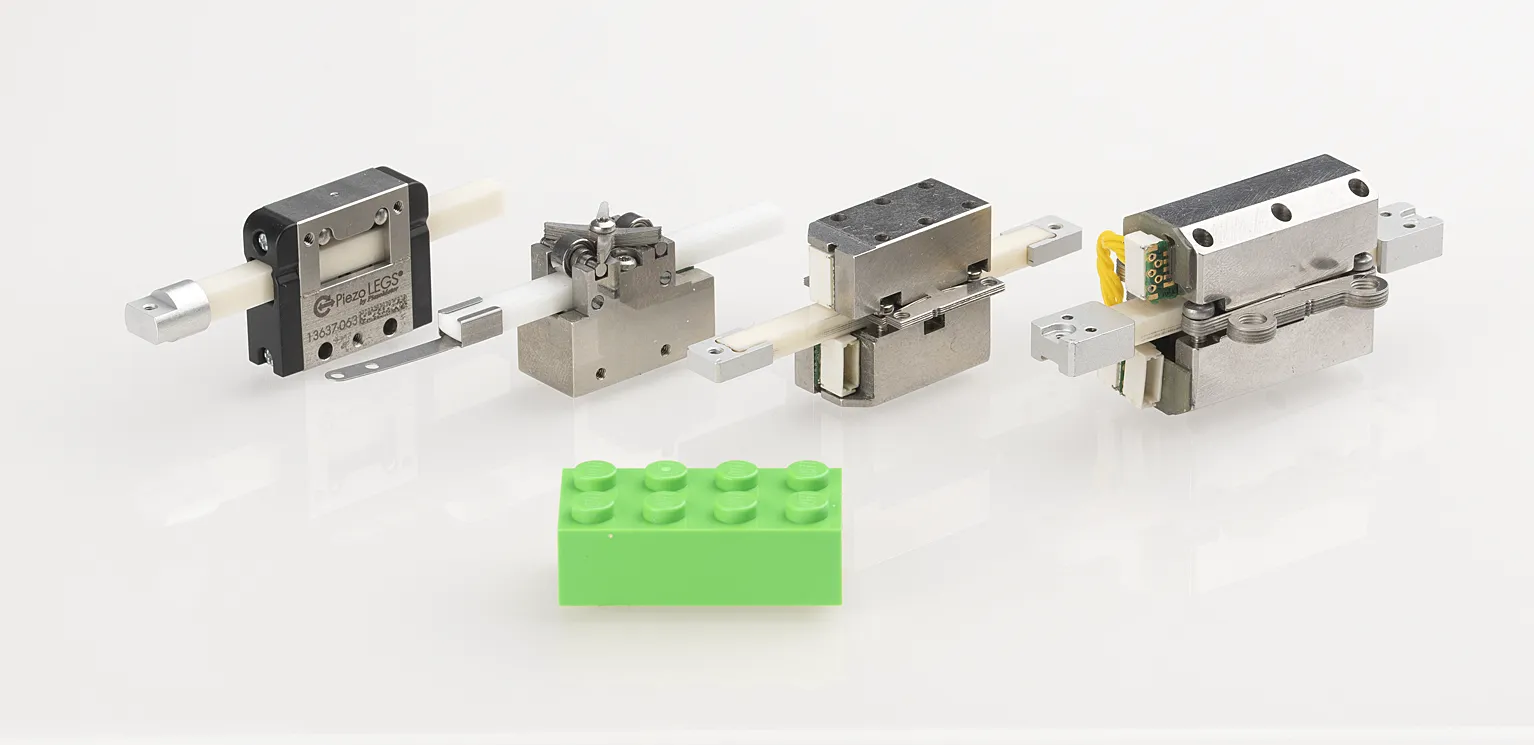
One of the key advantages of this technology is its ability to deliver ultra-high precision in a compact design. Additionally, because it does not rely on magnetic fields, it is highly suitable for environments where electromagnetic interference must be minimized, such as semiconductor manufacturing, optical systems, and medical devices.
Overall, piezoelectric linear motors, alongside piezo linear actuators, play a critical role in modern engineering applications that demand exceptional precision, fast response, and reliable performance.
Working Principle of a Piezoelectric Linear Motor
Understanding how a piezoelectric linear motor works begins with the fundamental concept behind its operation: the piezoelectric effect. This principle enables the conversion of electrical energy into extremely precise mechanical motion, forming the backbone of both piezoelectric motors and piezo linear actuators.
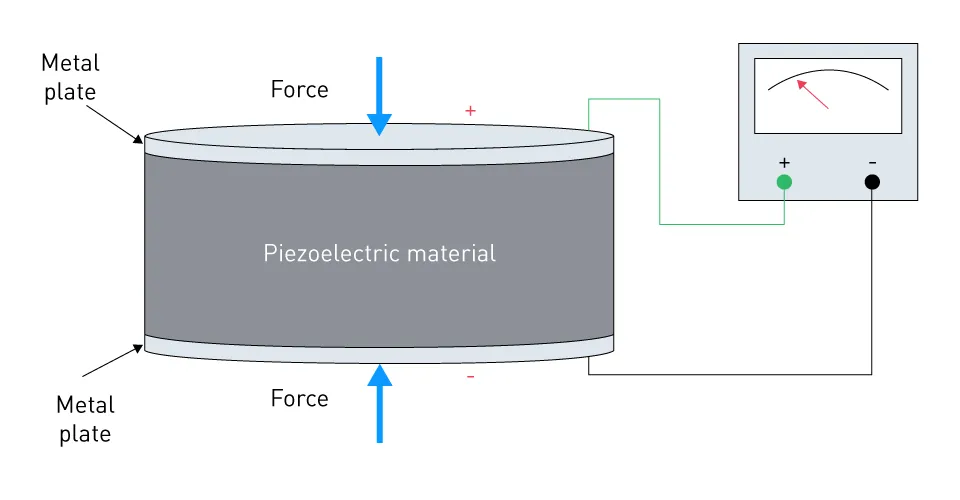
The piezoelectric effect occurs when certain materials such as ceramics or crystals, change shape when an electric voltage is applied. This deformation is incredibly small, typically in the micrometer or nanometer range, but it happens almost instantaneously and with exceptional repeatability.
In motion systems, this effect is used in its inverse form, where electrical input produces mechanical displacement. By carefully controlling voltage signals, engineers can generate highly accurate and responsive movements.
From Vibration to Linear Motion
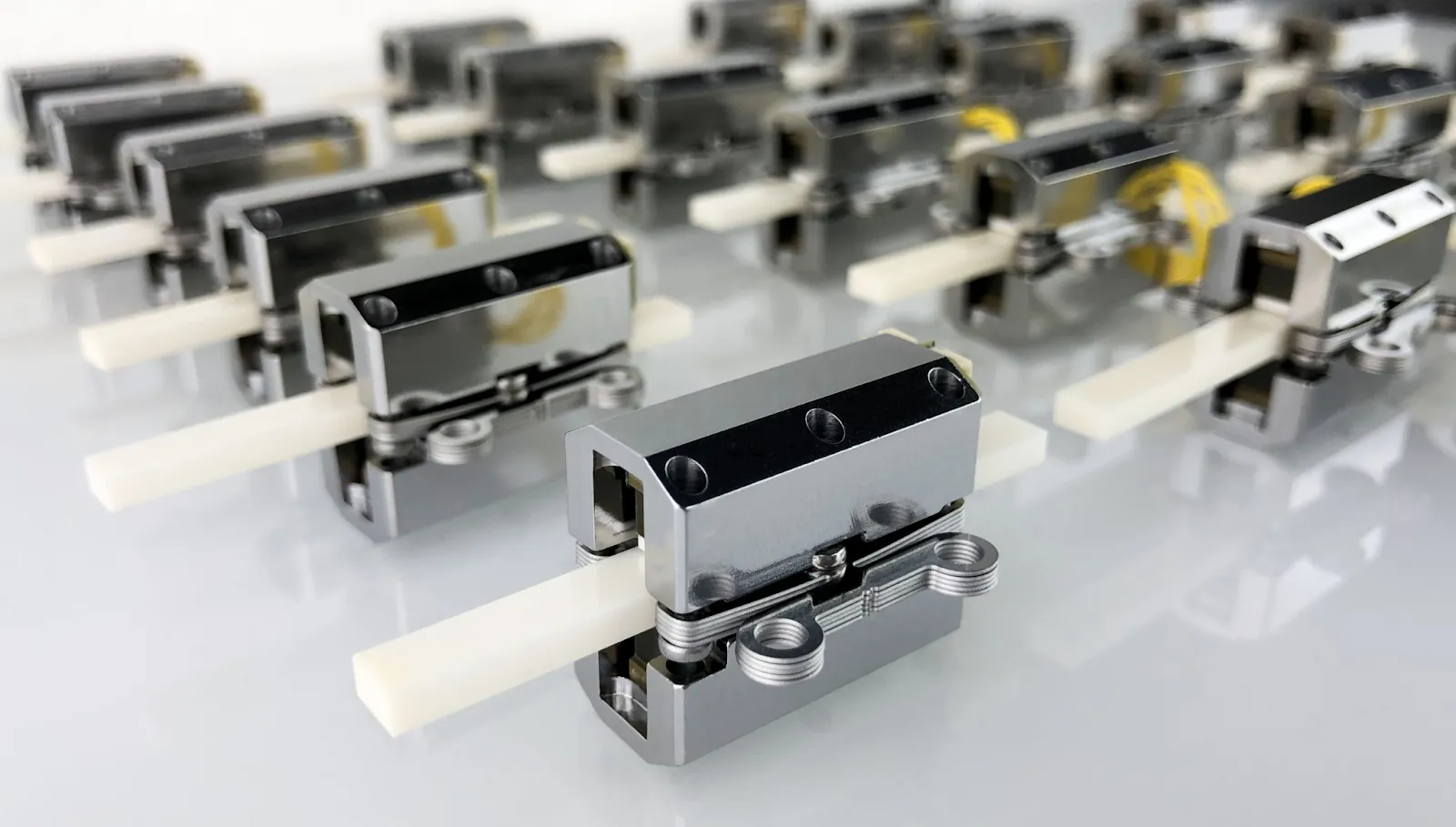
A piezoelectric linear motor does not create motion in a single large stroke. Instead, it generates high-frequency vibrations, which are then converted into continuous or stepwise linear movement.
There are two common mechanisms used:
- Stick-Slip (Inertia Drive): The motor alternates between slow expansion and rapid contraction. During the slow phase, friction causes the slider to move along with the actuator (“stick”). During the rapid phase, inertia keeps the slider in place while the actuator resets (“slip”). Repeating this cycle produces incremental motion.
- Ultrasonic Drive: The motor generates ultrasonic vibrations that create elliptical motion at the contact surface. This motion drives the slider smoothly and continuously, enabling higher speeds and quieter operation.
Precision Motion at Micro and Nano Scale
By repeating these vibration cycles at very high frequencies, piezoelectric linear motors can produce extremely fine positioning movements. This makes them ideal for applications that require:
- Sub-micron or nanometer positioning accuracy
- Fast response times
- Smooth and controlled motion
Compared to traditional systems, this working principle allows for greater precision, minimal backlash, and excellent stability, especially in compact or sensitive environments.
In essence, the unique combination of electrical control, material deformation, and vibration-based motion is what enables piezoelectric linear motors and related technologies like piezo linear actuators, to deliver unmatched performance in modern precision engineering.
Types of Piezoelectric Linear Motors
Piezoelectric linear motors come in several distinct types, each designed to meet specific performance requirements in precision motion systems. Understanding these variations helps engineers and decision-makers choose the most suitable solution for their application.
- Stick-Slip (Inertia) Motors: These motors operate based on alternating slow and fast motion cycles to create incremental movement. During the slow phase, friction allows the moving part to follow the actuator, while in the rapid phase, inertia keeps it in place as the actuator resets. This type is widely used for applications requiring simple control, compact design, and high positioning accuracy over short distances.
- Ultrasonic Piezoelectric Motors: Utilizing high-frequency vibrations (typically in the ultrasonic range), these motors generate continuous motion through microscopic elliptical movement at the contact surface. They offer smoother motion, higher speeds, and quieter operation compared to stick-slip motors, making them ideal for advanced optical systems and high-end automation.
- Walking-Type Motors: These motors mimic a “walking” motion by using multiple actuators that move in a coordinated sequence. This allows for higher load capacity and improved stability, especially in applications requiring both precision and force.
- Hybrid Piezoelectric Motors: Combining different operating principles, hybrid designs aim to optimize performance by balancing speed, precision, and load capacity. They are often customized for specialized industrial or scientific applications.
Each type of piezoelectric linear motor brings its own advantages in terms of motion control, speed, and application suitability. By understanding these differences, businesses can better align their technology choices with performance requirements, ensuring optimal efficiency and precision in real-world applications.
Advantages and Limitations of Piezoelectric Linear Motors
When evaluating motion technologies for precision applications, understanding both the strengths and constraints of piezoelectric linear motors is essential. While these motors excel in high-precision environments, they are best suited for specific use cases where their unique capabilities can be fully leveraged.
Advantages of Piezoelectric Linear Motors
Piezoelectric linear motors are widely recognized for their exceptional performance in precision-driven applications. One of their most notable advantages is ultra-high positioning accuracy, often reaching sub-micron or even nanometer resolution. This makes them ideal for industries such as semiconductor manufacturing, optics, and medical technology, where even the smallest deviation can impact performance.
Another key benefit is their fast response time. Because piezoelectric materials react almost instantly to electrical signals, these motors can achieve rapid start-stop motion without the lag typically seen in electromagnetic systems. This responsiveness is particularly valuable in dynamic environments that require real-time adjustments.
Their compact and lightweight design also sets them apart. Without the need for bulky magnetic components, piezoelectric linear motors can be integrated into space-constrained systems while still delivering high performance. This makes them a preferred choice for miniaturized devices and precision instruments.
Additionally, these motors generate no electromagnetic interference (EMI), which is critical in sensitive environments such as imaging systems or electronic testing setups. This allows them to operate reliably alongside other delicate components without causing signal disruption.
Finally, piezoelectric linear motors offer high holding force without continuous power consumption. Once positioned, they can maintain their state without requiring constant energy input, contributing to improved energy efficiency in certain applications.
Limitations to Consider
Despite their many advantages, piezoelectric linear motors also come with certain limitations that should be carefully considered during system design.
One of the primary constraints is their limited travel range. Due to the small deformation of piezoelectric materials, these motors are typically better suited for short-distance motion. For applications requiring long linear travel, alternative technologies may be more practical.
Another challenge lies in the complexity of control systems. Achieving optimal performance often requires precise voltage control, specialized drivers, and advanced feedback mechanisms. This can increase both the design complexity and the overall system cost.
In addition, while they excel in precision, piezoelectric linear motors may have limited load capacity compared to traditional electromagnetic motors. This makes them less suitable for heavy-duty applications that demand high force over long distances.
Cost can also be a consideration. The materials, manufacturing processes, and control electronics involved in piezoelectric systems can lead to a higher initial investment, especially for high-performance or customized solutions.
Ultimately, piezoelectric linear motors deliver outstanding value in applications that prioritize precision, speed, and compactness over long travel and heavy load capacity. By carefully evaluating both their advantages and limitations, engineers can determine whether this technology is the right fit, ensuring optimal performance and efficiency in demanding environments.
Applications of Piezoelectric Linear Motors
Thanks to their exceptional precision, fast response, and compact design, piezoelectric linear motors are widely used across industries that demand highly controlled motion at micro and nano scales. Below are some of the most prominent applications where this technology delivers outstanding performance:
- Semiconductor Manufacturing: In semiconductor production, even the smallest positioning error can impact yield and performance. Piezoelectric linear motors are used in wafer positioning systems, lithography equipment, and inspection machines, where ultra-high precision and stability are critical to ensure accurate chip fabrication.
- Medical and Life Sciences: In the medical field, these motors play a vital role in devices that require delicate and precise movement. They are commonly found in surgical instruments, imaging systems, and laboratory automation equipment, where smooth, vibration-free motion enhances both safety and accuracy.
- Optics and Photonics: Optical systems demand extremely fine adjustments to maintain alignment and focus. Piezoelectric linear motors are used in lens positioning, laser tuning, and optical alignment systems, enabling precise control without introducing electromagnetic interference that could affect sensitive measurements.
- Precision Engineering and Micro-Positioning Systems: In advanced engineering applications, such as micro-assembly and nanotechnology research, these motors provide the ability to control motion at an incredibly fine scale. They are often integrated into positioning stages, scanning systems, and high-precision measurement equipment.
- Industrial Automation and Robotics: As automation systems become more sophisticated, the need for compact and precise motion control continues to grow. Piezoelectric linear motors are used in robotic systems, especially in applications requiring fine adjustments, calibration, and repeatable positioning in confined spaces.
- Aerospace and Advanced Research: In high-end research and aerospace applications, reliability and precision are non-negotiable. These motors are used in instrumentation, satellite components, and experimental setups where precise motion control must be maintained under challenging conditions.
Overall, piezoelectric linear motors have become an essential technology in industries where precision, responsiveness, and reliability are paramount. By enabling motion at scales that traditional systems struggle to achieve, they continue to drive innovation across a wide range of cutting-edge applications.
Conclusion
As industries continue to demand higher levels of precision, speed, and miniaturization, piezoelectric linear motors are emerging as a key enabler of next-generation motion control. From their unique working principle to their diverse types and wide-ranging applications, this technology offers a powerful solution for challenges that traditional systems can no longer address effectively.
While they may not be the ideal choice for every scenario, their ability to deliver ultra-fine positioning, rapid response, and reliable performance in compact environments makes them indispensable in fields such as semiconductors, medical devices, optics, and advanced automation.