




Brushless DC electric motors are transforming the way modern machines move, operate, and perform. From high-precision robotics and industrial automation to electric vehicles and drones, these motors deliver exceptional efficiency, reliability, and control compared to traditional motor technologies. Their unique design eliminates mechanical brushes and replaces them with intelligent electronic control, allowing systems to run faster, smoother, and with far less maintenance.
Understanding how a brushless DC electric motor works is key to appreciating why it has become a core component in many advanced technologies. By exploring its internal structure and working principle, engineers and industry professionals can better harness its capabilities for high-performance applications. This article takes a closer look at the structure and operation of brushless DC electric motors and explains why they are widely used in modern engineering systems.
What Is a Brushless DC Electric Motor?
A brushless DC electric motor (BLDC motor) is an advanced type of electric motor that operates using direct current (DC) power but eliminates the need for mechanical brushes. Instead of relying on physical contact between brushes and a commutator to control current flow, a brushless motor uses an electronic controller to manage the switching of current in the motor windings. This electronic commutation allows the motor to operate more efficiently, smoothly, and reliably than traditional brushed DC motors.
Because of this design, brushless DC electric motors have become an essential component in many modern technologies. Their ability to deliver high efficiency, precise control, and long operational life makes them widely used in applications such as industrial automation systems, robotics, electric vehicles, drones, and high-performance consumer electronics.
A brushless DC electric motor is a synchronous motor powered by DC electricity in which permanent magnets are mounted on the rotor while electromagnetic windings are located on the stator. The rotation of the motor is controlled electronically by switching the current between stator windings in a specific sequence, creating a rotating magnetic field that drives the rotor.
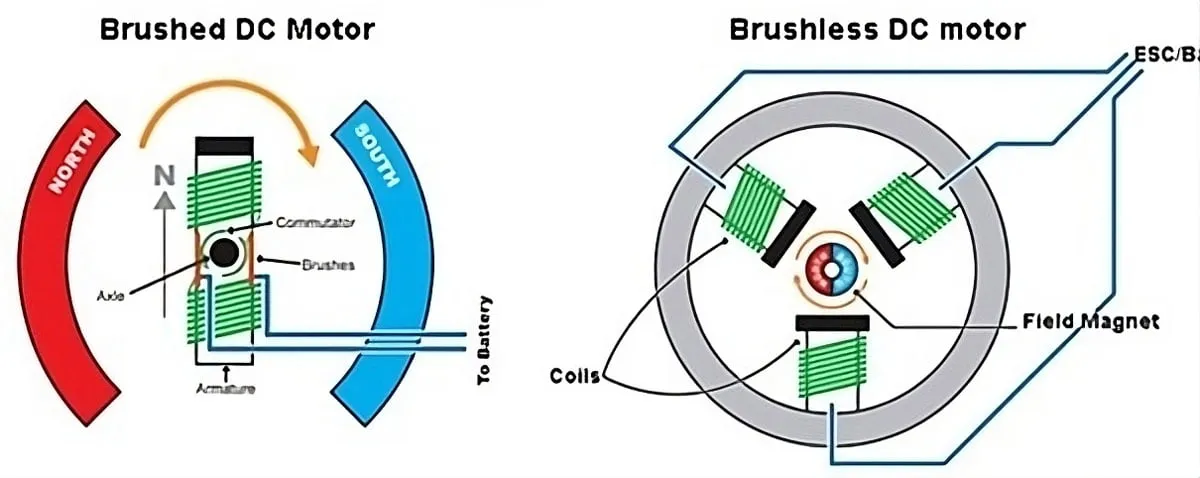
Unlike brushed motors, which depend on mechanical brushes to transfer electrical current to the rotating part of the motor, BLDC motors rely entirely on electronic control. This design significantly reduces friction, wear, and energy loss. As a result, brushless DC electric motors offer improved durability, higher efficiency, and better performance in demanding applications.
Key Features of Brushless DC Electric Motors
Several distinctive characteristics make brushless DC electric motors stand out among other motor technologies:
- Electronic commutation replaces mechanical brushes, enabling more precise and efficient control of motor operation.
- High efficiency allows BLDC motors to convert electrical energy into mechanical power with minimal losses.
- Long service life results from the absence of brushes, which are typically the most common wear component in traditional motors.
- Low maintenance requirements make these motors suitable for systems that must operate continuously or in difficult-to-access environments.
- Excellent speed and torque control allows them to perform reliably in applications requiring precise motion.
These features have contributed to the growing adoption of brushless DC electric motors across a wide range of industries where performance, efficiency, and reliability are critical.
Common Applications of Brushless DC Electric Motors
Thanks to their advanced design and performance advantages, brushless DC electric motors are used in many modern systems. In industrial automation, they power precision equipment, robotic arms, and high-speed manufacturing lines. In the transportation sector, they are widely used in electric vehicles and e-mobility solutions because of their high power efficiency and compact size.
They also play a crucial role in aerospace and drone technology, where lightweight and high-performance motors are essential for stable flight. Additionally, many medical devices and consumer electronics rely on BLDC motors to deliver smooth, quiet, and reliable operation.
As industries continue to demand higher efficiency and more precise motion control, brushless DC electric motors are expected to remain a key technology driving innovation in modern engineering and automation systems.
Structure of a Brushless DC Electric Motor
To understand how a brushless DC electric motor operates, it is essential to first examine its internal structure. Unlike traditional brushed motors, which rely on mechanical brushes and a commutator, a brushless DC electric motor is designed with a combination of electromagnetic components and electronic control systems. This structure allows the motor to generate motion efficiently while minimizing mechanical wear and energy loss.
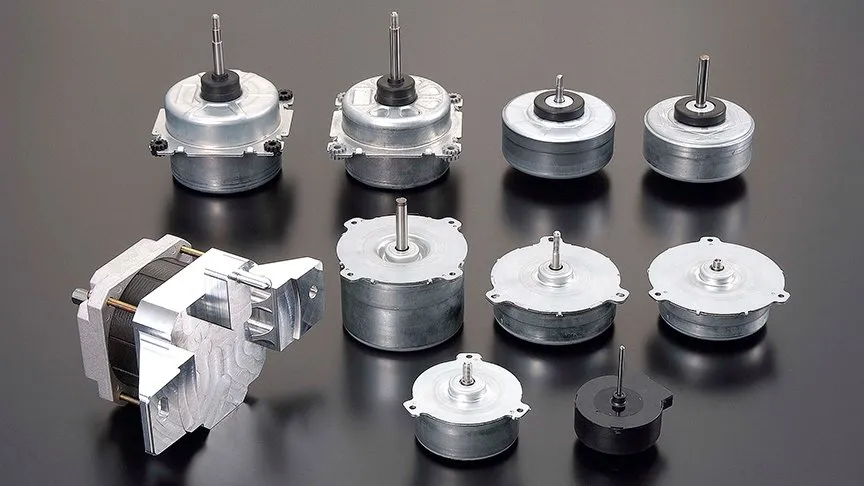
A typical brushless DC electric motor consists of several key components that work together to produce smooth and controlled rotational movement. Each component plays a specific role in generating magnetic fields, controlling current flow, and ensuring precise motor operation.
1. Stator
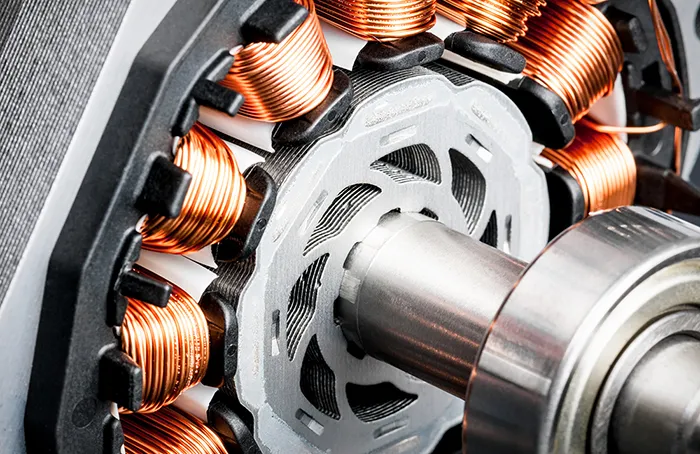
The stator is the stationary part of the brushless DC electric motor and contains multiple copper windings arranged in a specific pattern. These windings act as electromagnets when electrical current flows through them. The stator is responsible for generating a rotating magnetic field that interacts with the rotor to produce motion.
In many BLDC motors, the stator windings are organized into three phases, allowing the electronic controller to energize them in sequence. This phased arrangement enables the motor to create a continuously rotating magnetic field, which is essential for maintaining smooth and efficient operation.
2. Rotor
The rotor is the rotating component of the motor and typically contains permanent magnets mounted around its outer surface. These magnets create a constant magnetic field that interacts with the electromagnetic field generated by the stator.
When the stator windings are energized in a controlled sequence, the magnetic forces between the stator and rotor cause the rotor to rotate. Because the rotor uses permanent magnets instead of electrical windings, brushless DC motors can achieve higher efficiency and reduced heat generation compared to many other motor types.
3. Electronic Controller
One of the most important elements in the structure of a brushless DC electric motor is the electronic controller. This component replaces the mechanical commutator and brushes used in traditional DC motors. The controller manages the flow of electrical current through the stator windings, ensuring that the correct coils are energized at the correct time.
By switching the current electronically, the controller creates a rotating magnetic field that continuously drives the rotor forward. In addition to controlling the basic operation of the motor, the controller can also regulate speed, torque, and direction, allowing the motor to perform accurately in a wide range of applications.
4. Sensors and Feedback System
Many brushless DC electric motors incorporate position sensors to monitor the location of the rotor during operation. Hall effect sensors are commonly used for this purpose. These sensors detect the position of the rotor magnets and send feedback signals to the controller.
With this information, the controller can precisely determine when to switch the current between the stator windings. This process ensures smooth rotation, stable performance, and accurate speed control. In some modern designs, motors use sensorless control algorithms that estimate rotor position based on electrical signals, eliminating the need for physical sensors.
Together, these components form a highly efficient and reliable motor structure. By combining permanent magnets, electromagnetic windings, and intelligent electronic control, brushless DC electric motors deliver the high performance and durability required in many advanced industrial and technological applications.
Working Principle of a Brushless DC Electric Motor
The working principle of a brushless DC electric motor is based on the interaction between magnetic fields generated by the stator windings and the permanent magnets located on the rotor. Instead of using mechanical brushes to control current flow, the motor relies on an electronic controller that switches the current between different stator windings in a precise sequence. This process creates a rotating magnetic field that drives the rotor and produces continuous motion.
Because the switching of current is handled electronically, brushless DC electric motors can operate with greater efficiency, smoother rotation, and more accurate speed control compared to traditional brushed motors. The entire operation of the motor is carefully synchronized through sensors or control algorithms to ensure stable and reliable performance.
1. Power Supply and Controller Activation
The operation of a brushless DC electric motor begins when a DC power source is supplied to the electronic controller. The controller acts as the brain of the motor system, regulating how electrical energy is distributed to the stator windings.
Once activated, the controller converts the DC input into a sequence of controlled electrical signals. These signals determine which stator coils receive current and at what time, enabling the system to generate the magnetic fields necessary for motor operation.
2. Magnetic Field Generation in the Stator
When electrical current flows through the stator windings, it produces electromagnetic fields around the coils. By energizing the stator windings in a specific order, the controller creates a rotating magnetic field within the motor.
This rotating magnetic field is a key factor in the operation of brushless DC electric motors. As the magnetic field shifts from one coil to another, it continuously changes direction, creating the force needed to drive the rotor forward.
3. Interaction Between Rotor and Stator
The rotor of a brushless DC electric motor is equipped with permanent magnets. When the rotating magnetic field from the stator interacts with these magnets, magnetic attraction and repulsion forces are generated.
These magnetic forces cause the rotor to follow the rotating magnetic field produced by the stator. As a result, the rotor begins to spin and convert electrical energy into mechanical motion. The smoother and more precisely the magnetic field rotates, the more stable the motor’s performance becomes.
4. Electronic Commutation
Electronic commutation replaces the mechanical switching process found in brushed DC motors. Instead of brushes physically changing the direction of current, the electronic controller switches the current flow between different stator windings at precisely timed intervals.
This switching sequence maintains the rotation of the magnetic field and keeps the rotor moving continuously. Because there is no mechanical contact involved, electronic commutation significantly reduces friction, energy loss, and component wear.
Through the coordinated interaction of electronic control, electromagnetic fields, and permanent magnets, brushless DC electric motors achieve smooth, efficient, and reliable performance. This working principle makes them ideal for applications that require high precision, durability, and energy efficiency in modern engineering systems.
Advantages of Brushless DC Electric Motors
The growing popularity of brushless DC electric motors across modern industries is no coincidence. Thanks to their innovative design and electronic control, these motors deliver a range of performance benefits that traditional motor technologies often struggle to match. From improved efficiency to enhanced reliability, brushless DC motors provide significant advantages for systems that demand precision, durability, and consistent performance.
Some of the most notable advantages include:
- Higher energy efficiency: Brushless DC motors minimize energy losses caused by friction and electrical resistance. Without mechanical brushes, more electrical energy is converted directly into useful mechanical power, making these motors highly efficient for demanding applications.
- Longer operational lifespan: The absence of brushes eliminates one of the most common sources of wear in traditional DC motors. As a result, brushless motors can operate for extended periods with minimal degradation, significantly increasing their service life.
- Reduced maintenance requirements: Since there are no brushes that require periodic replacement, brushless DC motors demand far less maintenance. This makes them especially suitable for systems that operate continuously or in locations where maintenance access is limited.
- Precise speed and torque control: Electronic controllers allow brushless motors to regulate speed and torque with exceptional accuracy. This precise control is essential in applications such as robotics, automation equipment, and high-performance manufacturing systems.
- Improved reliability and durability: With fewer mechanical components subject to wear, brushless DC motors offer stable and reliable performance even under demanding operating conditions.
- Low noise and smooth operation: The absence of brush contact reduces vibration and electrical noise, enabling quieter and smoother motor operation. This advantage is particularly valuable in sensitive environments such as medical equipment or precision machinery.
- High power-to-size ratio: Brushless DC motors can deliver strong performance while maintaining a compact and lightweight design, making them ideal for modern devices where space and weight efficiency are critical.
Together, these advantages make brushless DC electric motors an ideal choice for many modern engineering applications. As industries continue to seek higher efficiency, better reliability, and more precise motion control, brushless motor technology will remain a key driver of innovation in automation, transportation, and advanced manufacturing systems.
Industrial Applications of Brushless DC Electric Motors
With their high efficiency, precise control, and long operational lifespan, brushless DC electric motors have become a critical component in many modern industrial systems. Their ability to deliver consistent performance while reducing maintenance requirements makes them especially valuable in environments where reliability and precision are essential. As industries increasingly adopt automation and advanced manufacturing technologies, the role of brushless DC motors continues to expand across a wide range of applications.
Some of the most important industrial uses of brushless DC electric motors include:
- Industrial automation systems: Brushless motors are widely used in automated production lines, assembly machines, and material handling systems. Their precise speed control and stable torque output help maintain smooth and accurate manufacturing processes.
- Robotics and robotic arms: In robotic systems, precise motion control is essential. Brushless DC motors enable robots to perform complex tasks with high accuracy, making them ideal for applications such as welding, packaging, inspection, and component assembly.
- CNC machines and precision equipment: Computer numerical control (CNC) machines rely on high-performance motors to achieve accurate positioning and smooth movement. Brushless motors support these requirements by delivering consistent torque and reliable performance during continuous operation.
- Electric vehicles and transportation systems: Many electric mobility solutions use brushless DC motors because of their efficiency, lightweight design, and strong torque characteristics. These motors help improve energy utilization and overall vehicle performance.
- Aerospace and drone technology: In aerospace applications and unmanned aerial vehicles, brushless motors provide the high power-to-weight ratio needed for efficient propulsion. Their reliability and responsiveness are essential for maintaining stable flight and precise maneuverability.
- Medical and laboratory equipment: Precision devices such as surgical tools, medical pumps, and laboratory automation systems depend on brushless motors for quiet operation, stable speed control, and dependable long-term performance.
- High-speed industrial tools and equipment: Many industrial tools, including compressors, pumps, and high-speed processing machines, benefit from the durability and efficiency of brushless DC motors, especially in demanding production environments.
As industries continue to evolve toward smarter and more automated systems, the demand for reliable and efficient motor technologies will only increase. Brushless DC electric motors play a vital role in enabling these advancements, supporting a wide variety of applications that require precision, durability, and high-performance motion control.
Conclusion
Brushless DC electric motors represent a major advancement in modern motor technology, combining intelligent electronic control with a highly efficient mechanical design. By eliminating traditional brushes and commutators, these motors achieve smoother operation, greater reliability, and significantly improved energy efficiency. Their unique structure and working principle allow them to deliver precise speed control, stable torque, and long-term durability across a wide range of demanding applications.
From industrial automation and robotics to electric transportation and high-precision manufacturing systems, brushless DC electric motors have become an essential driving force behind many of today’s technological innovations. As industries continue to pursue higher performance, greater efficiency, and smarter motion control solutions, the role of brushless motor technology will only become more important.