




Choosing the right linear actuator motor can make or break the performance of your entire system. Whether you’re building a high-precision automation line, upgrading a robotic arm, or optimizing movement in a medical or industrial machine, the actuator you select determines how smoothly, accurately, and reliably everything runs.
But with so many options, different force ratings, speeds, motor types, duty cycles, and environmental conditions, the decision can feel overwhelming. This guide breaks down every key factor you need to evaluate, helping you confidently choose the linear actuator motor that delivers maximum efficiency, durability, and control for your specific application.
Understand Your System Requirements First
Before diving into motor types and specifications, the most critical step is understanding your system’s unique requirements. A clear grasp of your system needs ensures that you choose a linear actuator motor that performs efficiently, lasts longer, and avoids costly errors or downtime.
1. Define the Purpose and Application
Every system has a specific purpose, and the actuator you select must match it. Ask yourself:
- What is the primary application? Automation, robotics, CNC machinery, packaging lines, medical devices, or material handling?
- What environment will the actuator operate in? For example, a cleanroom requires dust-free, low-contamination components, while industrial environments might involve dust, moisture, or high temperatures.
- Is precision or speed more critical? Some applications prioritize exact positioning, while others require fast, repetitive motion.
By defining the purpose clearly, you narrow down the types of actuators suitable for your system, saving both time and resources.
2. Identify Load Requirements
Load is one of the most important factors when selecting a linear actuator motor. Both static (constant) and dynamic (moving) loads should be considered.
- Static load: The weight or force the actuator must hold without movement.
- Dynamic load: The force required to move the load along the stroke.
Tips for accurate load assessment:
- Calculate the total mass the actuator must move, including attachments and fixtures.
- Include safety factors to prevent overloading, which can cause overheating, vibration, or premature failure.
- Avoid relying solely on approximate or “average” loads, precise calculations are key for high-performance systems.
3. Determine Travel Distance (Stroke Length)
The actuator’s stroke length is the total distance it moves from start to end. Choosing the correct stroke ensures smooth operation and prevents mechanical stress.
- Match the stroke to actual system requirements: Too short, and the actuator won’t reach its target; too long, and it may waste energy or increase wear.
- Consider a safety margin: Always allow a small extra distance to account for system tolerances or future adjustments.
- Impact on performance: Longer strokes may affect speed, precision, and load handling, so balance stroke length with other specifications.
4. Specify Required Speed and Acceleration
Speed and acceleration requirements define how fast the actuator needs to move and how quickly it can reach that speed without causing system instability.
- Speed: Ensure the actuator can move at the required velocity without overheating or exceeding its rated load.
- Acceleration: Check if rapid starts and stops are necessary, as higher acceleration increases stress on mechanical components.
- System coordination: For multi-actuator systems, ensure all actuators can synchronize without lag or misalignment.
Understanding these four elements: purpose, load, stroke, and speed forms the foundation of a successful linear actuator selection process. Skipping this step can lead to incorrect sizing, underperformance, or even system failure.
Choose the Right Type of Linear Actuator Motor
Once you have a clear understanding of your system requirements, the next step is selecting the type of linear actuator motor that best fits your needs. Linear actuators come in several varieties, each with unique advantages, limitations, and ideal applications. Choosing the right type ensures efficiency, reliability, and long-term performance.
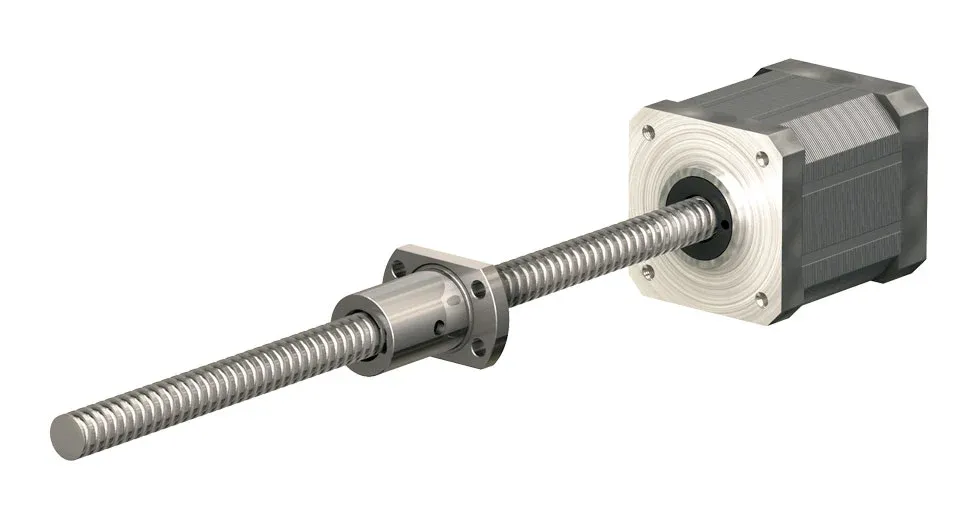
1. Electric Linear Actuator Motors
Electric linear actuators are the most widely used type due to their precision, cleanliness, and ease of control.
Advantages:
- High positioning accuracy and repeatability
- Clean operation with no fluids required
- Easy integration with control systems, including PLCs and microcontrollers
- Wide range of sizes and force capacities
Limitations:
- Typically lower force output compared to hydraulic systems
- May require more careful selection for high-duty cycle or heavy-load applications
Ideal Applications:
- Robotics and automation requiring precise movement
- Medical equipment and laboratory automation
- Light to medium industrial applications
2. Hydraulic Linear Actuator Motors
Hydraulic actuators use pressurized fluid to create motion, offering high force in compact designs.
Advantages:
- Extremely high thrust capability, suitable for heavy loads
- Smooth operation under large forces
- Reliable in harsh environments where electric motors may fail
Limitations:
- Requires hydraulic fluid and pumps, increasing system complexity
- Potential for leaks and higher maintenance requirements
- Slower response time compared to electric or pneumatic actuators
Ideal Applications:
- Heavy machinery, presses, and lifting equipment
- Industrial automation where high force is critical
- Outdoor or rugged environments
3. Pneumatic Linear Actuator Motors
Pneumatic actuators are powered by compressed air, ideal for rapid, repetitive motion.
Advantages:
- High-speed operation for repetitive tasks
- Simple and robust design with fewer moving parts
- Safe for explosive or hazardous environments where electricity is risky
Limitations:
- Lower precision compared to electric actuators
- Requires compressed air supply
- Force can vary depending on air pressure fluctuations
Ideal Applications:
- Packaging and assembly lines
- Pick-and-place systems in manufacturing
- Situations demanding fast, repetitive motion
4. Direct Drive Linear Motors
Direct drive linear motors eliminate mechanical intermediaries, converting electrical energy directly into linear motion.
Advantages:
- Extremely high precision and repeatability
- No backlash or mechanical transmission losses
- Fast acceleration and deceleration capabilities
- Minimal maintenance due to fewer mechanical parts
Limitations:
- Higher cost compared to standard electric actuators
- Requires advanced control systems
- May not be necessary for low-precision applications
Ideal Applications:
- Semiconductor manufacturing and CNC machines
- Robotics requiring high-speed, precise positioning
- High-end automation requiring smooth, backlash-free motion
Selecting the right actuator type depends on your load, speed, environment, and precision requirements:
- Electric: Best for precision and moderate loads
- Hydraulic: Best for heavy loads and high force
- Pneumatic: Best for speed and repetitive motion
- Direct Drive: Best for high precision, fast response, and minimal maintenance
Understanding the differences helps you match your system requirements to the actuator type, ensuring efficiency, reliability, and longevity of your linear motion system.
Key Technical Specifications to Evaluate
Choosing the right linear actuator motor goes beyond just selecting a type, it’s crucial to carefully evaluate the technical specifications to ensure optimal performance and long-term reliability. Consider the following key factors when making your selection:
- Force (Thrust) Rating: Ensure the actuator can handle both the continuous and peak load requirements of your system. Underestimating required force can lead to overheating, reduced lifespan, or mechanical failure. Always include a safety margin for unexpected loads.
- Positioning Accuracy & Repeatability: Accuracy defines how closely the actuator reaches the desired position, while repeatability ensures it hits the same point consistently over multiple cycles. High-precision applications like robotics or CNC machines require actuators with excellent repeatability, often supported by built-in encoders or feedback systems.
- Duty Cycle: The duty cycle indicates how long the actuator can operate continuously before requiring a rest period. Systems with frequent or long operation periods need actuators with higher duty cycles to prevent overheating and maintain performance.
- Speed & Acceleration: Check the actuator’s maximum speed and acceleration capabilities to ensure it meets your application’s motion requirements. Rapid acceleration can place additional stress on mechanical components, so balance speed with load and stroke length.
- Stroke Length: The actuator’s travel distance should match the operational requirements of your system. Too short a stroke prevents full motion, while an unnecessarily long stroke can reduce efficiency and increase wear. Always consider a small safety margin for flexibility.
- Power Requirements & Control Compatibility: Verify that the actuator is compatible with your system’s power supply and control electronics. Electric actuators may require specific voltage or current ratings, while some types need precise controller integration for smooth operation.
- Operating Environment & IP Rating: Consider exposure to dust, moisture, temperature extremes, or vibration. IP-rated actuators protect against environmental hazards, ensuring durability in harsh conditions. Selecting the correct rating helps avoid premature failure.
- Mounting & Mechanical Constraints: Ensure the actuator’s size, mounting options, and guide mechanisms fit your system without causing misalignment or stress on components. Proper integration prevents excessive wear and maintains precise motion.
Evaluating these specifications carefully allows you to match the actuator’s capabilities to your system’s unique demands, ensuring smooth operation, high efficiency, and long-lasting performance. Taking the time to review these factors now will save maintenance headaches, downtime, and unnecessary costs in the future.
Mechanical Integration Considerations
Integrating a linear actuator motor into your system requires careful attention to mechanical factors, as improper installation can lead to misalignment, reduced performance, or premature wear. Consider the following key points when planning mechanical integration:
- Mounting Options: Select the appropriate mounting style: side mount, base mount, or custom brackets, to ensure stability and proper alignment. Misaligned actuators can create uneven loads, increase friction, and shorten the motor’s lifespan.
- Load Support & Guiding Mechanism: Some actuators include built-in guides, while others require external linear guides or rails. Supporting the load correctly prevents bending, reduces vibration, and maintains precise motion. For heavy or off-center loads, additional guiding mechanisms are essential.
- Space Constraints: Check the available space carefully, including stroke length, actuator body, and mounting hardware. Compact actuators or custom mounting solutions may be necessary in tight installations, ensuring smooth operation without interference.
- Alignment and Parallelism: Ensure the actuator, guide rails, and load are perfectly aligned. Even small misalignments can create binding, increase wear, or reduce positioning accuracy. Using shims or precision mounting plates can help achieve proper alignment.
- Vibration and Shock Considerations: In environments with mechanical shocks or vibrations, secure the actuator firmly and consider dampers or vibration-isolating mounts. This protects both the motor and the system while maintaining motion accuracy.
- Maintenance Access: Plan the mechanical layout so that routine inspection, lubrication, and maintenance are possible without disassembling large portions of the system. Ease of access extends the motor’s operational life and reduces downtime.
By carefully considering these mechanical integration factors, you ensure that your linear actuator motor operates efficiently, reliably, and accurately within your system. Proper integration not only improves performance but also prolongs the lifespan of both the actuator and associated components, minimizing future maintenance and operational issues.
Common Mistakes to Avoid When Choosing a Linear Actuator Motor
Selecting a linear actuator motor is a critical step, but even experienced engineers can make mistakes that compromise performance, reliability, and longevity. Being aware of these common pitfalls can save you time, money, and headaches.
- Underestimating Load Requirements: Choosing an actuator with insufficient force can lead to overheating, excessive wear, or complete failure. Always calculate both static and dynamic loads accurately, including attachments and safety factors.
- Ignoring Duty Cycle: Selecting an actuator without considering its duty cycle can result in overheating and premature motor failure. Ensure the actuator is rated for the expected frequency and duration of operation.
- Overlooking Environmental Conditions: Failing to account for dust, moisture, temperature extremes, or vibration can damage the actuator. Always match the IP rating and material specifications to the operating environment.
- Neglecting Control System Compatibility: Not checking whether the actuator is compatible with your controller, power supply, or feedback system can lead to poor performance or integration issues. Verify voltage, current, and communication standards before selection.
- Skipping Stroke and Speed Analysis: Using an actuator with insufficient stroke or inappropriate speed/acceleration parameters can cause mechanical strain or limit system performance. Evaluate these specifications carefully based on real application needs.
- Improper Mechanical Integration: Misalignment, poor mounting, or unsupported loads can reduce precision, increase friction, and shorten actuator life. Ensure proper installation, alignment, and load guidance.
- Focusing Solely on Initial Cost: Choosing the cheapest actuator without considering performance, reliability, and maintenance costs can lead to higher total cost of ownership over time. Balance cost with quality and long-term benefits.
By avoiding these mistakes, you can select a linear actuator motor that meets your system’s exact requirements, performs reliably, and lasts longer. Taking the time to plan carefully ensures smooth operation, minimizes downtime, and maximizes the efficiency of your entire system.
Conclusion
Choosing the right linear actuator motor is far more than picking a part off the shelf, it’s about understanding your system’s unique needs, evaluating technical specifications, and carefully considering integration and environmental factors.
By defining load, stroke, speed, and duty cycle, selecting the appropriate actuator type, and avoiding common mistakes, you ensure your system operates with precision, efficiency, and reliability.
A well-chosen actuator not only enhances performance but also reduces maintenance, extends lifespan, and maximizes the return on your investment. Take the time to assess your requirements thoroughly, and you’ll have a linear motion solution that keeps your system running smoothly today and ready for the demands of tomorrow.